
As exams approach, students often find themselves overwhelmed with study materials, struggling to retain information and manage their time effectively. However, with the advent of artificial intelligence (AI), studying has become more efficient and personalized. By leveraging AI-powered tools and techniques, students can optimize their study routine, leading to better understanding and retention of subject matter.
AI can help students identify knowledge gaps, create personalized learning plans, and provide real-time feedback, making studying more engaging and effective. In this article, we will explore the various ways AI can be used to study smarter for exams, including AI-powered study tools, virtual learning environments, and intelligent tutoring systems.
Whether you are a student looking to improve your grades or an educator seeking to enhance your teaching methods, this article will provide you with practical insights and actionable advice on how to harness the power of AI to achieve academic success.
Introduction to AI-Powered Study Tools
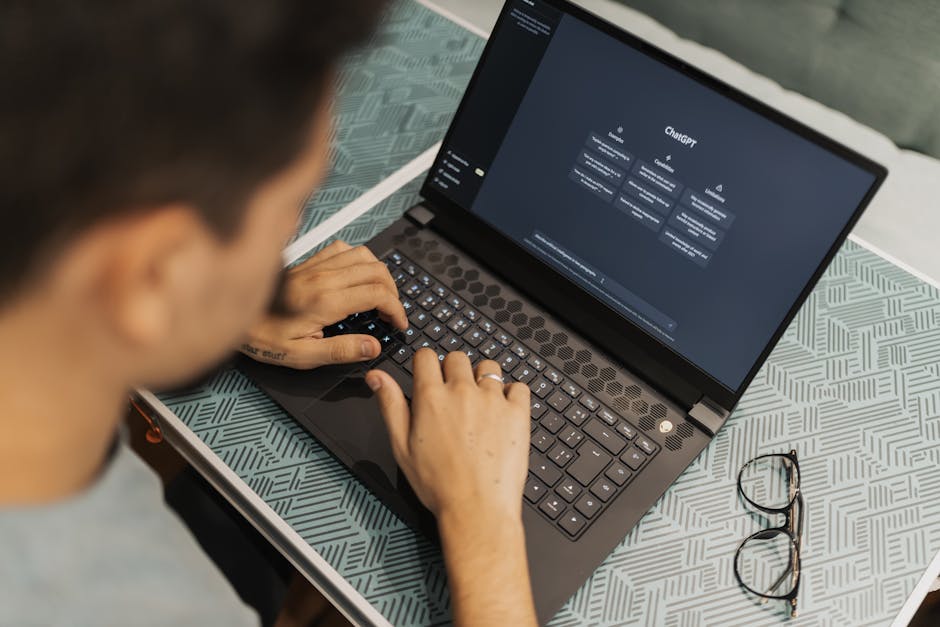
There are numerous AI-powered study tools available that cater to different learning styles and preferences. These tools use machine learning algorithms to analyze student performance, identify areas of improvement, and provide personalized recommendations for study materials and practice exercises.
One such tool is Quizlet, a popular study app that uses AI to create customized flashcards, tests, and study games. Quizlet's AI-powered algorithm analyzes student performance and adapts the study materials to focus on areas where the student needs improvement.
Another AI-powered study tool is Khan Academy, a free online learning platform that provides personalized learning plans and real-time feedback to students. Khan Academy's AI algorithm analyzes student performance and identifies knowledge gaps, providing targeted recommendations for study materials and practice exercises.
Benefits of AI-Powered Study Tools
The benefits of using AI-powered study tools are numerous. For one, they provide personalized learning experiences that cater to individual learning styles and preferences. Additionally, AI-powered study tools can help students identify knowledge gaps and provide targeted recommendations for improvement.
AI-powered study tools can also help reduce study time and increase productivity. By providing real-time feedback and adapting to student performance, these tools can help students focus on areas where they need improvement, leading to more efficient studying.
Virtual Learning Environments
Virtual learning environments (VLEs) are online platforms that simulate real-world learning environments, providing students with immersive and interactive learning experiences. VLEs use AI to create virtual classrooms, provide virtual tutoring, and offer real-time feedback to students.
One example of a VLE is Google Classroom, a free online platform that allows teachers to create and manage virtual classrooms, assign homework, and provide real-time feedback to students. Google Classroom's AI algorithm analyzes student performance and provides personalized recommendations for study materials and practice exercises.
Another example of a VLE is Blackboard, a commercial online learning platform that provides virtual classrooms, virtual tutoring, and real-time feedback to students. Blackboard's AI algorithm analyzes student performance and identifies knowledge gaps, providing targeted recommendations for study materials and practice exercises.
Features of Virtual Learning Environments
VLEs provide a range of features that enhance the learning experience. These features include virtual classrooms, virtual tutoring, real-time feedback, and personalized learning plans.
VLEs also provide access to a wide range of study materials, including e-books, videos, and interactive simulations. Additionally, VLEs can be accessed from anywhere, at any time, providing students with flexibility and convenience.
Intelligent Tutoring Systems
Intelligent tutoring systems (ITS) are AI-powered systems that provide one-on-one tutoring to students, simulating human-like interactions and providing personalized feedback. ITS use machine learning algorithms to analyze student performance and adapt to individual learning styles and preferences.
One example of an ITS is Carnegie Learning, a commercial online learning platform that provides AI-powered tutoring in mathematics and science. Carnegie Learning's AI algorithm analyzes student performance and provides personalized feedback, adapting to individual learning styles and preferences.
Another example of an ITS is DreamBox, a commercial online learning platform that provides AI-powered tutoring in mathematics. DreamBox's AI algorithm analyzes student performance and provides personalized feedback, adapting to individual learning styles and preferences.
Benefits of Intelligent Tutoring Systems
The benefits of using ITS are numerous. For one, they provide one-on-one tutoring to students, simulating human-like interactions and providing personalized feedback. Additionally, ITS can help students identify knowledge gaps and provide targeted recommendations for improvement.
ITS can also help reduce study time and increase productivity. By providing personalized feedback and adapting to individual learning styles and preferences, ITS can help students focus on areas where they need improvement, leading to more efficient studying.
AI-Powered Note-Taking
AI-powered note-taking tools use machine learning algorithms to analyze and organize notes, providing students with a more efficient and effective way to study. These tools can help students identify key concepts, summarize notes, and provide personalized recommendations for study materials and practice exercises.
One example of an AI-powered note-taking tool is Evernote, a commercial note-taking app that uses AI to analyze and organize notes. Evernote's AI algorithm can help students identify key concepts, summarize notes, and provide personalized recommendations for study materials and practice exercises.
Another example of an AI-powered note-taking tool is OneNote, a free note-taking app that uses AI to analyze and organize notes. OneNote's AI algorithm can help students identify key concepts, summarize notes, and provide personalized recommendations for study materials and practice exercises.
Features of AI-Powered Note-Taking Tools
AI-powered note-taking tools provide a range of features that enhance the note-taking experience. These features include note analysis, note organization, and personalized recommendations for study materials and practice exercises.
AI-powered note-taking tools can also help students collaborate with peers and teachers, providing a more interactive and engaging learning experience. Additionally, these tools can be accessed from anywhere, at any time, providing students with flexibility and convenience.
AI-Powered Flashcards
AI-powered flashcards use machine learning algorithms to analyze and create flashcards, providing students with a more efficient and effective way to study. These tools can help students identify key concepts, create customized flashcards, and provide personalized recommendations for study materials and practice exercises.
One example of an AI-powered flashcard tool is Anki, a free flashcard app that uses AI to analyze and create flashcards. Anki's AI algorithm can help students identify key concepts, create customized flashcards, and provide personalized recommendations for study materials and practice exercises.
Another example of an AI-powered flashcard tool is Quizlet, a commercial flashcard app that uses AI to analyze and create flashcards. Quizlet's AI algorithm can help students identify key concepts, create customized flashcards, and provide personalized recommendations for study materials and practice exercises.
Benefits of AI-Powered Flashcards
The benefits of using AI-powered flashcards are numerous. For one, they provide a more efficient and effective way to study, helping students identify key concepts and create customized flashcards. Additionally, AI-powered flashcards can help students reduce study time and increase productivity.
AI-powered flashcards can also help students collaborate with peers and teachers, providing a more interactive and engaging learning experience. Additionally, these tools can be accessed from anywhere, at any time, providing students with flexibility and convenience.
Conclusion
In conclusion, AI can be a powerful tool in helping students study smarter for exams. By leveraging AI-powered study tools, virtual learning environments, intelligent tutoring systems, AI-powered note-taking tools, and AI-powered flashcards, students can optimize their study routine, leading to better understanding and retention of subject matter.
To get started with using AI to study smarter, students can try out some of the tools and techniques mentioned in this article. Here are some practical steps to follow:
- Identify your learning style and preferences to determine which AI-powered study tools are best for you.
- Explore different AI-powered study tools, such as Quizlet, Khan Academy, and Carnegie Learning, to find the ones that work best for you.
- Use AI-powered note-taking tools, such as Evernote and OneNote, to analyze and organize your notes.
- Create customized flashcards using AI-powered flashcard tools, such as Anki and Quizlet.
- Collaborate with peers and teachers using virtual learning environments, such as Google Classroom and Blackboard.
By following these steps and leveraging the power of AI, students can achieve academic success and reach their full potential. Remember, AI is not a replacement for human intelligence, but rather a tool to enhance and support learning. With the right tools and techniques, students can study smarter, not harder, and achieve better grades in their exams.


